
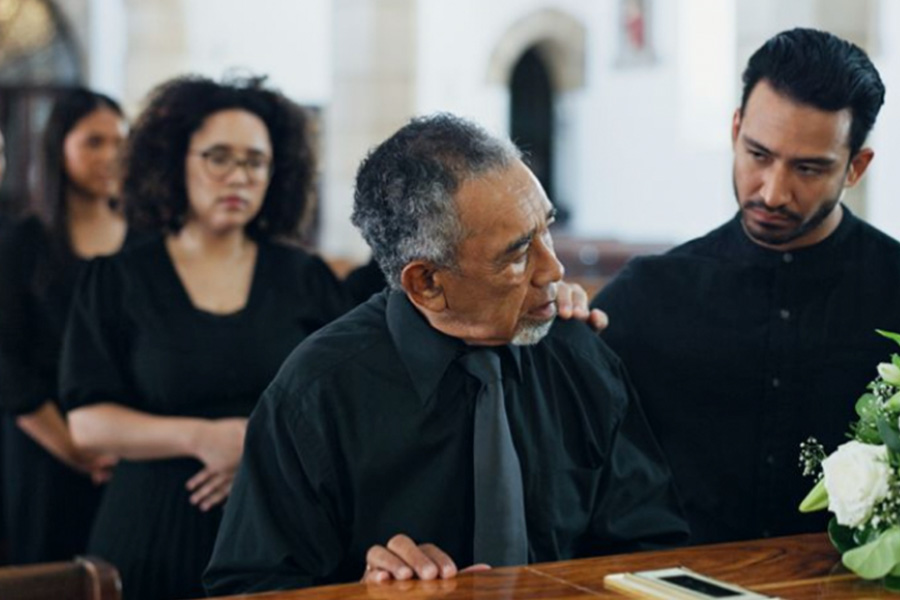
Christian funeral practices have long carried deep cultural and spiritual meaning, yet the way families approach these moments has shifted significantly in recent years. Since lifestyles, expectations, and available resources are evolving, funeral services in Singapore are adapting to meet new standards of convenience, personalisation, and faith expression. These modern changes are not about replacing traditions but about helping families create meaningful experiences that reflect both Christian beliefs and contemporary needs.
1. Shorter Wake Durations and Flexible Venues
Traditional three-day wakes are still common, but more families now prefer shorter or simplified arrangements due to work schedules, limited space, or the practicalities of modern living. Many households, especially those in HDB estates, choose one-day or two-day wakes to balance respect for tradition with time constraints. Venues have also expanded beyond void decks and churches. Professional providers of funeral services now offer air-conditioned funeral parlours designed for Christian funeral services, providing families with a cleaner, quieter, and more controlled environment. These spaces allow easier hosting of guests and better management of weather conditions, which is increasingly essential for families concerned about comfort during long visiting hours.
2. More Personalised Memorial Elements
Another prominent shift is the move towards personalisation. Instead of sticking strictly to standard setups, families want Christian funeral services that reflect the life and personality of the departed. Custom photo displays, video tributes, personalised worship playlists, and curated memorial tables have become more common. These additions help families create a more intimate and emotionally grounded farewell, especially for Christian households that value storytelling and remembrance as part of the grieving process. Funeral directors have responded by offering creative options such as customised backdrops, thematic floral arrangements, and even digital guestbooks, ensuring the memorial feels less generic and more connected to the individual being honoured.
3. Digital Support for Prayers and Mourning
Technology has become an essential part of modern Christian funeral services. Livestreaming, once optional, is now a staple for families with relatives living overseas. It enables participation in prayers, worship, and eulogies even when physical attendance is not possible. Online memorial pages allow friends and family to leave condolences, Bible verses, and prayer messages, offering comfort to those unable to attend in person. Some providers also use digital tools to coordinate funeral logistics, simplifying communication so the family can focus on grieving and supporting one another. This shift demonstrates how technology—when used thoughtfully—can strengthen community support without replacing faith-led traditions.
4. Greater Guidance from Funeral Professionals
There is also a stronger demand for experienced guidance when arranging funeral services. Families increasingly turn to funeral directors who specialise in Christian funeral services to help plan prayer schedules, coordinate with pastors, and ensure biblical customs are respected. This support is valuable for families who may not be familiar with every detail of Christian rites, especially younger generations who rely more on professional expertise. Funeral directors now provide clearer timelines, structured checklists, and pastoral coordination services, offering practical and emotional clarity during an already overwhelming period.
5. Sustainable and Practical Choices
Finally, sustainability is influencing funeral decisions. Since more individuals are becoming environmentally conscious, some families request eco-friendly options such as simple caskets, biodegradable floral arrangements, or reduced decorative materials. These changes align with the Christian belief in stewardship while offering a more practical and cost-efficient approach. Many providers of funeral services now carry greener alternatives to support these preferences without altering the essence of the funeral.
Conclusion
Modern changes in Christian funeral services reflect a blend of tradition and practicality. Families today seek arrangements that honour their faith while fitting the realities of contemporary living, from flexible venues to digital tools and personalised memorial elements. These shifts help ensure that Christian funerals remain meaningful and accessible in a fast-changing society. Families can plan farewells that continue to respect their beliefs while meeting present-day needs by embracing these adaptations.
Contact Casket Fairprice and let us help you plan a farewell rooted in faith yet aligned with modern needs.